
Seven practices
that train
your nervous system.
Each practice uses movement, breath and rest in a different way—giving you more ways to respond to what your body and life need.
Together, they help you build a more flexible nervous system.
Your nervous system needs more than one thing.
Sometimes you need to slow down.
Sometimes you need to move.
Sometimes you need to release tension, feel your strength, express what is inside you or stop completely.
That’s why Sol Method isn’t built around one type of movement.
The seven practices give your nervous system different experiences, so you have more ways to meet what you feel.
Movement, breath and rest—used with different intentions.
Movement
Movement helps you feel what is happening inside you. It can mobilise energy, release tension, build strength, create expression and bring you back into relationship with your body.
Breath
Breath gives your attention somewhere to land. It can change the pace of a practice, create more space and help you experience steadiness, energy or support.
Rest
Rest gives your nervous system time to settle, recover and take in what it has experienced. It helps your body practice receiving support and doing less.
The ingredients may be shared. The nervous-system experience is different.
Seven ways to work with your body.
You may feel drawn to one practice more than another. Over time, experiencing the full range gives your nervous system more ways to respond.
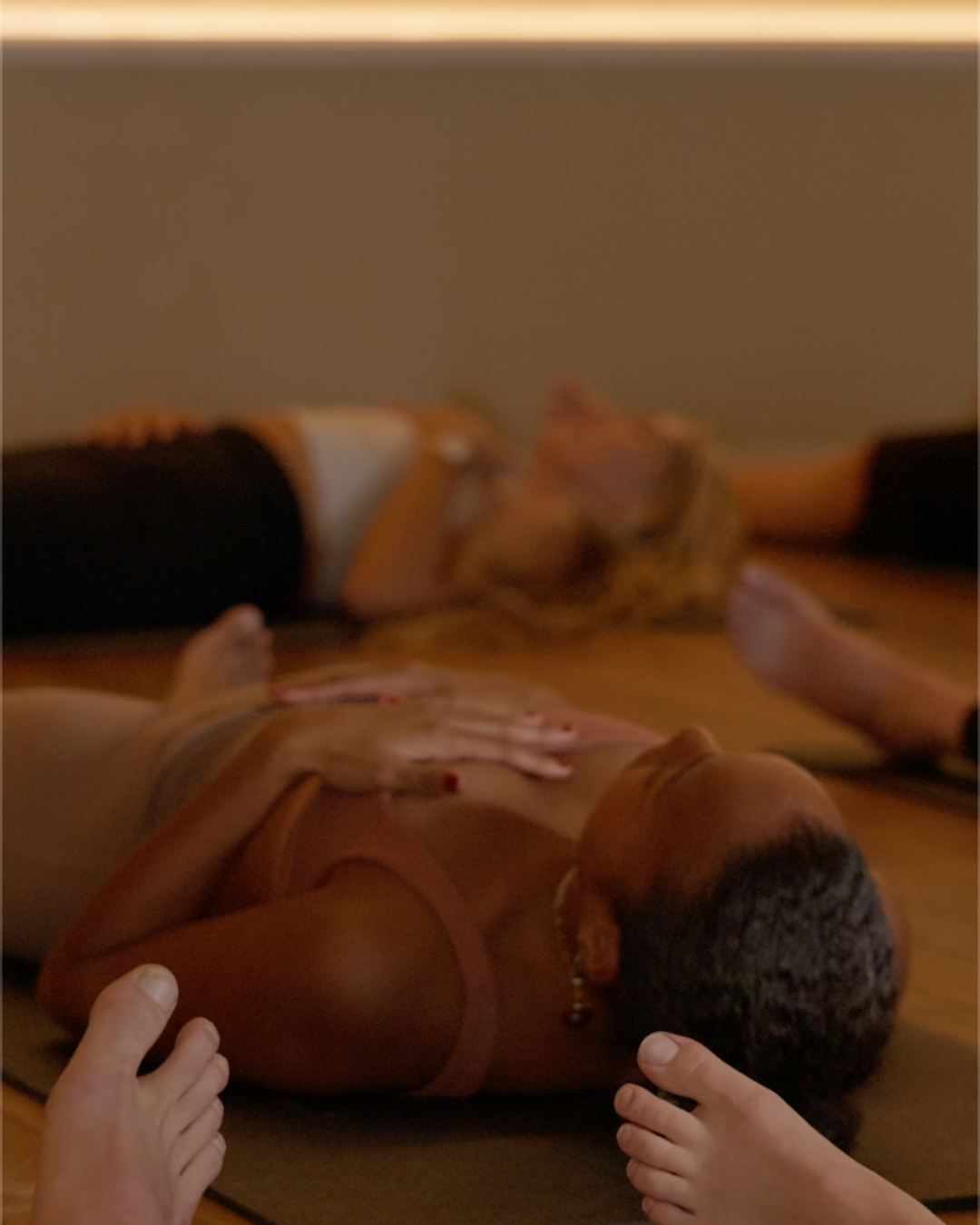
Learn to use your breath as support.
Breathwork without the pressure to breathe harder, go deeper or push through.
Breathing happens automatically. But the way you breathe can change with stress, habit, posture and the pace of your life. Somatic Breath helps you notice how you breathe, improve the way your body breathes and learn how to use it intentionally—not as another thing to get right, but as something you can return to.
What to expect
A slow, mostly floor-based practice combining breath awareness, functional breathing education, gentle somatic movement, guided breathing practices and deep rest. This isn’t intense breathwork. The focus is on awareness, function and finding a way of breathing that feels supportive.
Pace
Slow
Intensity
Gentle
Builds
Awareness and steadiness
Best for
Understanding your breath
Includes
Breath awareness, functional breathing, gentle movement, guided breathing and rest
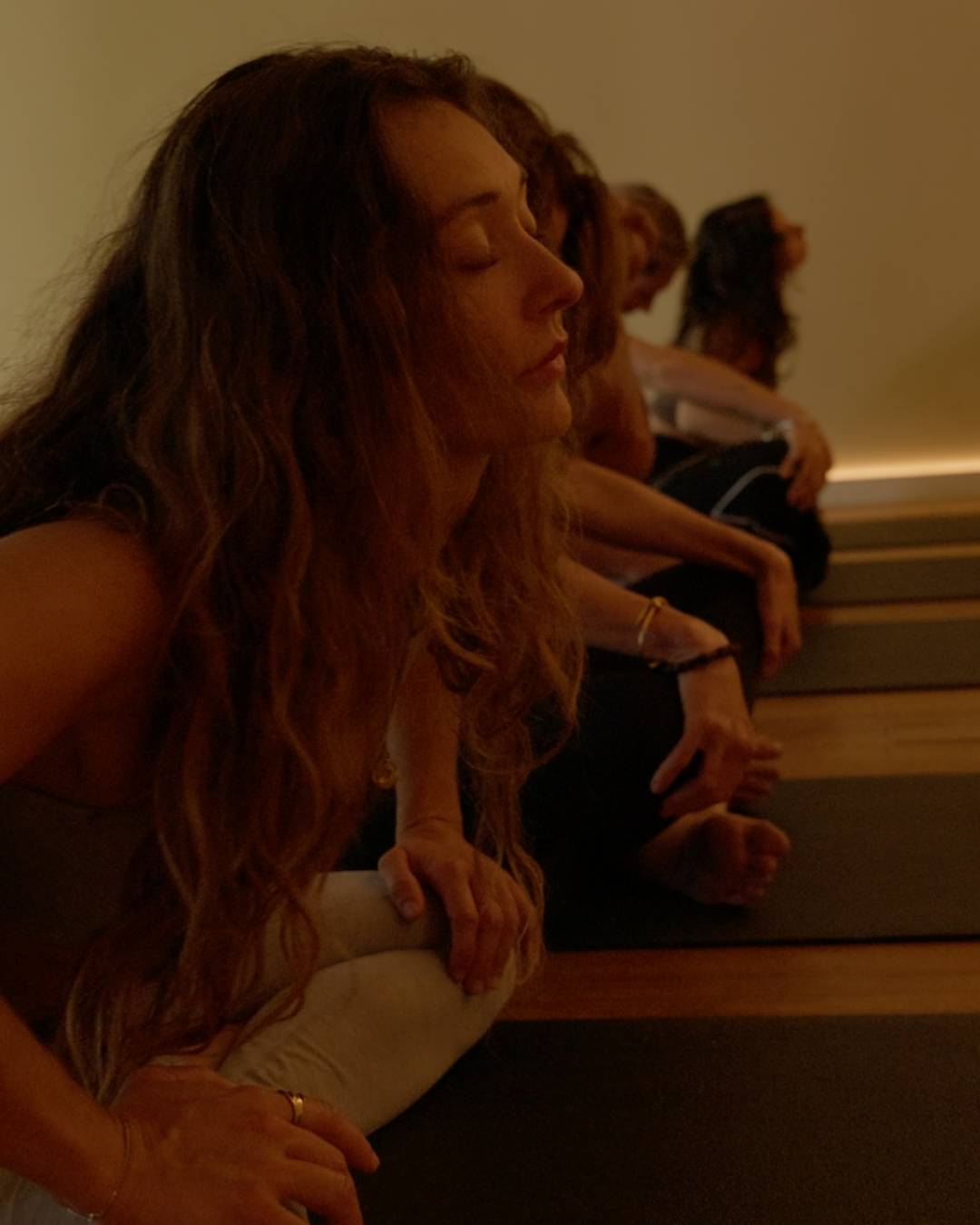
Give what you’ve been holding somewhere to go.
Fascia release meets somatic slow flow yoga.
Stress can show up as tight shoulders, a clenched jaw, shallow breathing or a body that never fully lets go. Somatic Release helps you notice where your body is bracing—and explore what happens when that tension is given pressure, movement, attention and time.
What to expect
A slow, tactile practice combining fascia release using props like release balls, floor-based movement, rocking, rolling, followed by a somatic fluid slow flow to rinse the tissues out, closed with a deep rest to let the release integrate. Some release-ball work can feel strong or tender. You are always encouraged to change the pressure or stop.
Pace
Slow and intuitive
Intensity
Gentle to moderate
Builds
Awareness of tension
Best for
Physical tension, tightness and bracing
Includes
Release balls, myofascial release, floor-based movement, intuitive movement and rest
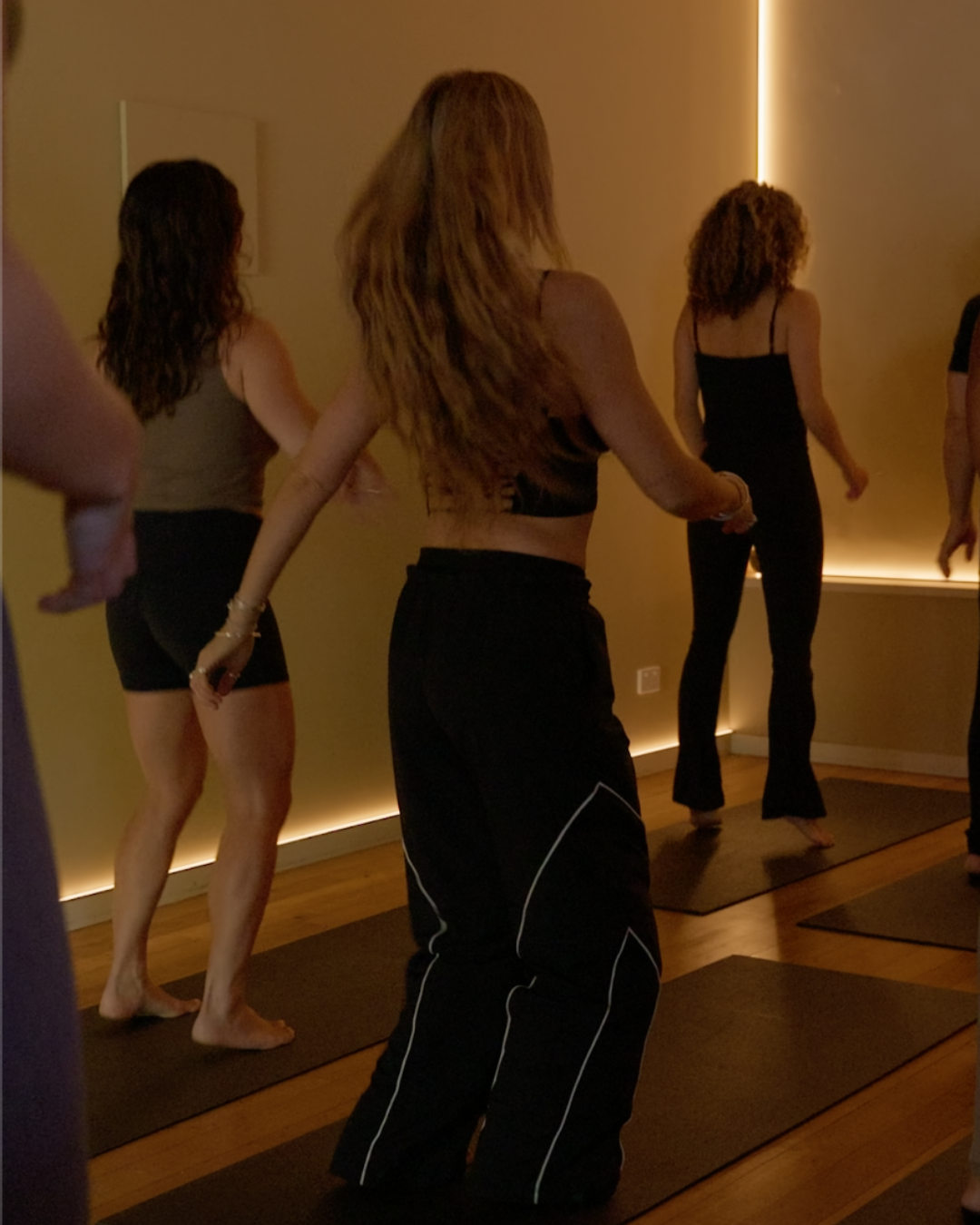
Interrupt the pattern. Return to your body.
A practical nervous-system reset through breath, movement and intentional pause.
When stress builds, it can become harder to think clearly, feel your body or choose what happens next. Somatic Reset uses simple body-based practices to interrupt that momentum, reconnect you with sensation and help you find a steadier place from which to respond.
What to expect
A varied and accessible practice combining breath, shaking, tapping, rocking, grounding, self-contact, simple somatic exercises, intentional pauses and rest. Somatic Reset sits at the heart of the method and is a great place to begin.
Pace
Varied
Intensity
Gentle
Builds
State awareness and choice
Best for
Busy mind, overwhelm, disconnection from body and feeling at capacity
Includes
Breath, shaking, tapping, rocking, grounding, somatic exercises and rest
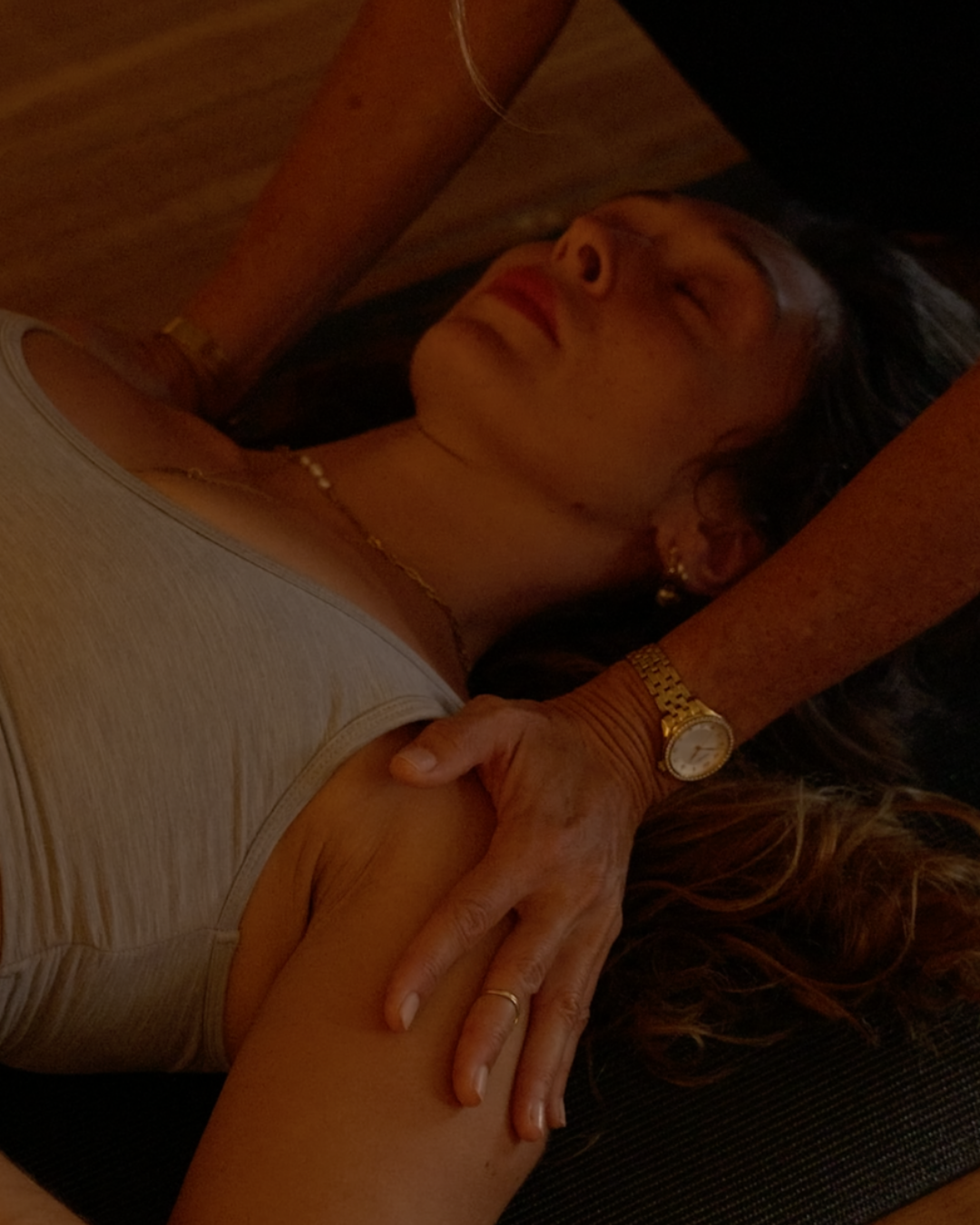
Teach your body how to receive rest.
Yin meets Yoga Nidra—to reconnect you with the sensations of your body and give you space to process your day, setting you up for better sleep.
Stopping doesn’t always mean your nervous system has stopped. Somatic Yin creates the conditions for you to slow down, receive support and experience rest without needing to earn it first. For many of us, rest is a skill that needs to be experienced and repeated.
What to expect
Our slowest practice, combining supported floor-based shapes, gentle somatic movement, bolsters, blankets, coherence breathing and guided Yoga Nidra. There is no shape to achieve and nothing to push through.
Pace
Very slow
Intensity
Very gentle
Builds
Recovery and receiving support
Best for
Exhaustion and switching off
Includes
Supported shapes, gentle movement, coherence breathing, stillness and guided Yoga Nidra
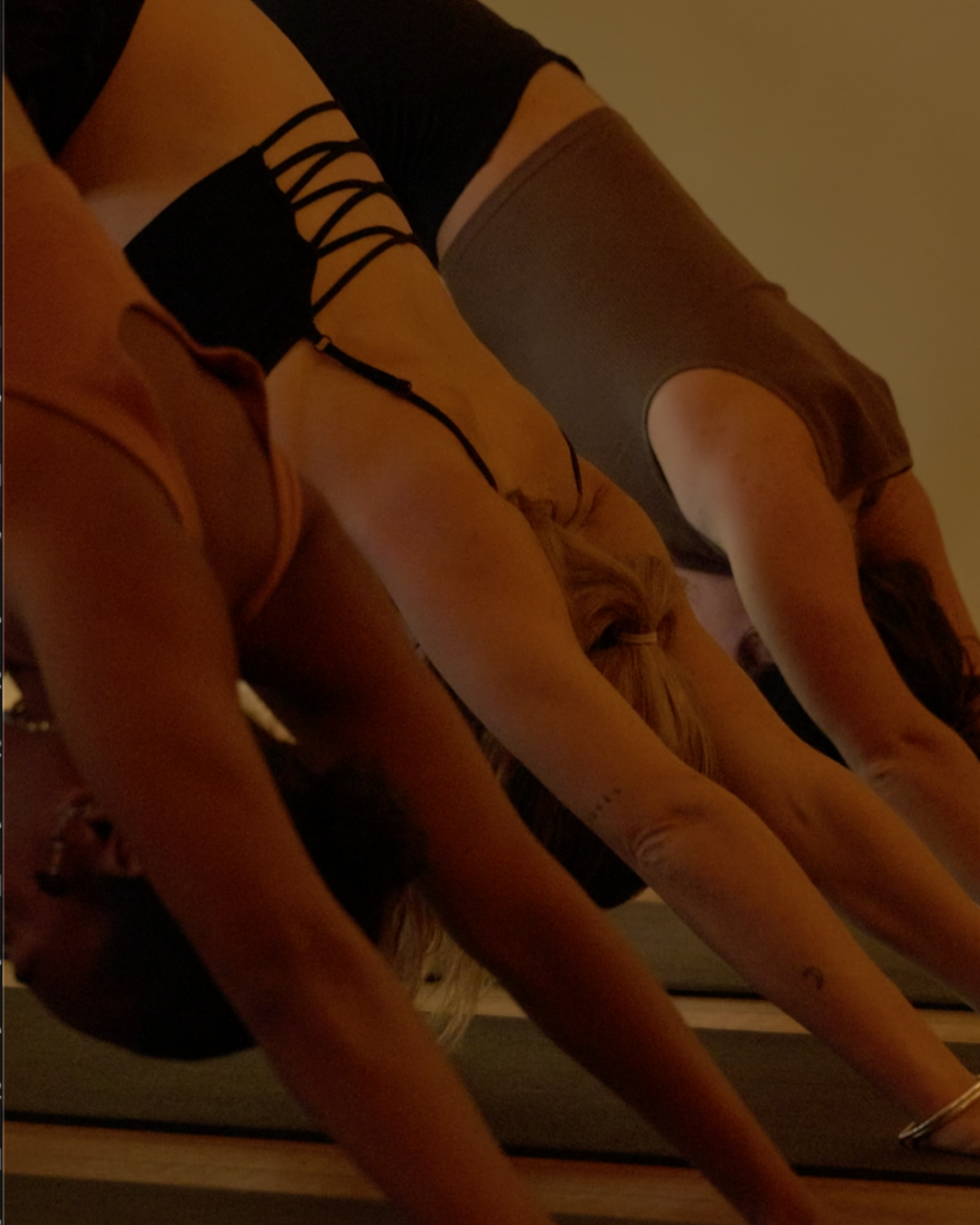
Build capacity without overriding yourself.
Power flow, reimagined for your nervous system.
Strength and nervous-system support are not opposites. Somatic Power Flow is a stronger, spicier practice designed to build physical strength and nervous-system capacity at the same time. The challenge is real, but you practice staying connected to your breath, sensations and choices.
What to expect
A strong, breath-led practice combining strength, mobility, familiar yoga shapes, flowing sequences and intentional pauses. You’ll build heat and work physically, with options that help you stay in relationship with yourself.
Pace
Steady to dynamic
Intensity
Moderate to strong
Builds
Strength and capacity
Best for
Challenge without pressure
Includes
Strength, mobility, power flow, breath, intentional pauses and rest
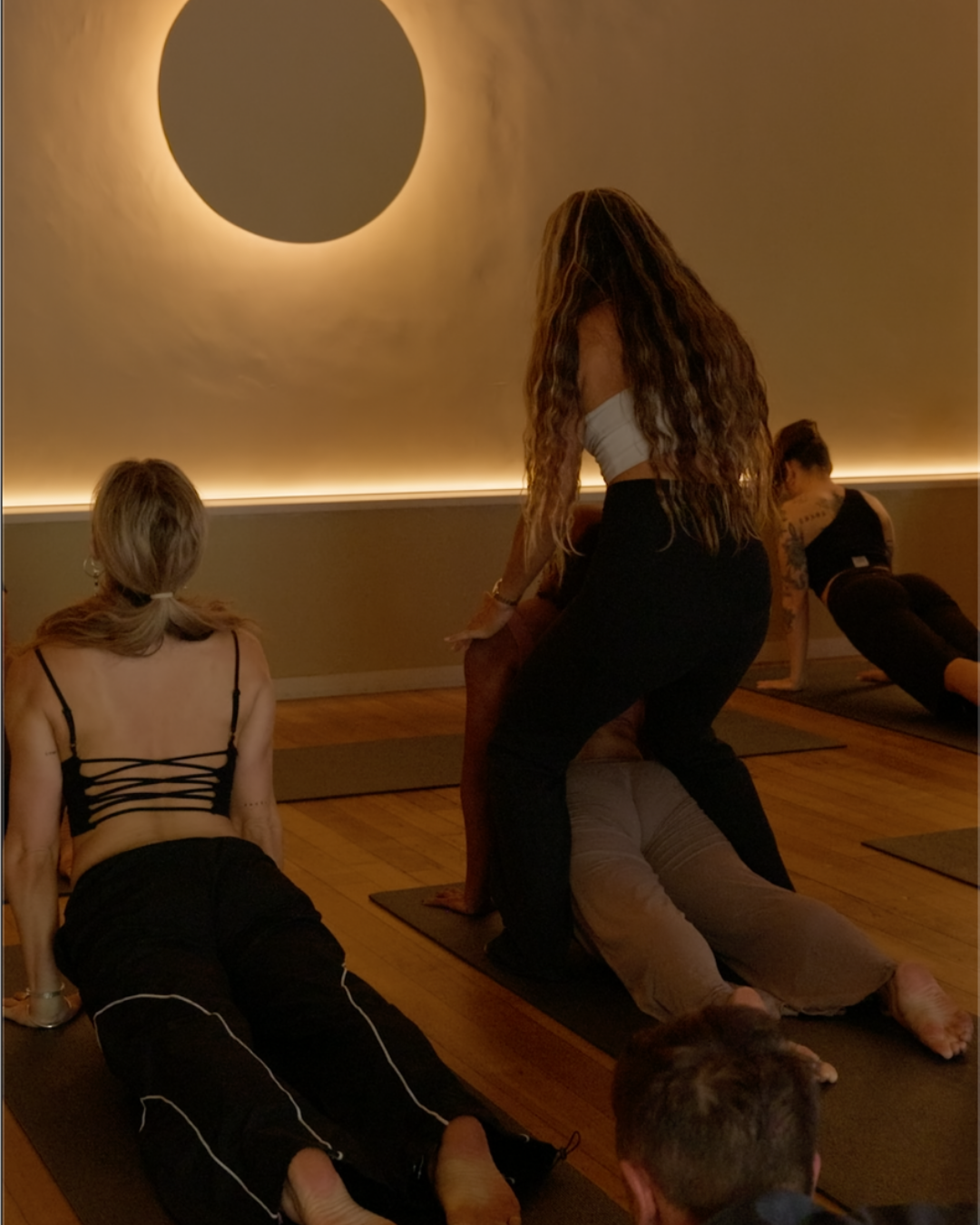
Flow without losing connection to yourself.
Our version of vinyasa: familiar flow with more space to feel.
Somatic Flow brings together breath-led yoga movement and somatic awareness. There is structure, rhythm and flow—but also space to pause, notice and respond. The aim isn’t to perfect the movement. It is to remain in relationship with yourself while you move.
What to expect
A steady practice combining familiar yoga shapes, mobility, flowing sequences, repetition and intentional pauses. Expect enough movement to feel open and energised, with more time to notice your breath, sensations and needs.
Pace
Steady
Intensity
Moderate
Builds
Awareness and self-trust
Best for
Embodied vinyasa
Includes
Breath-led yoga movement, mobility, flowing sequences, intentional pauses and rest
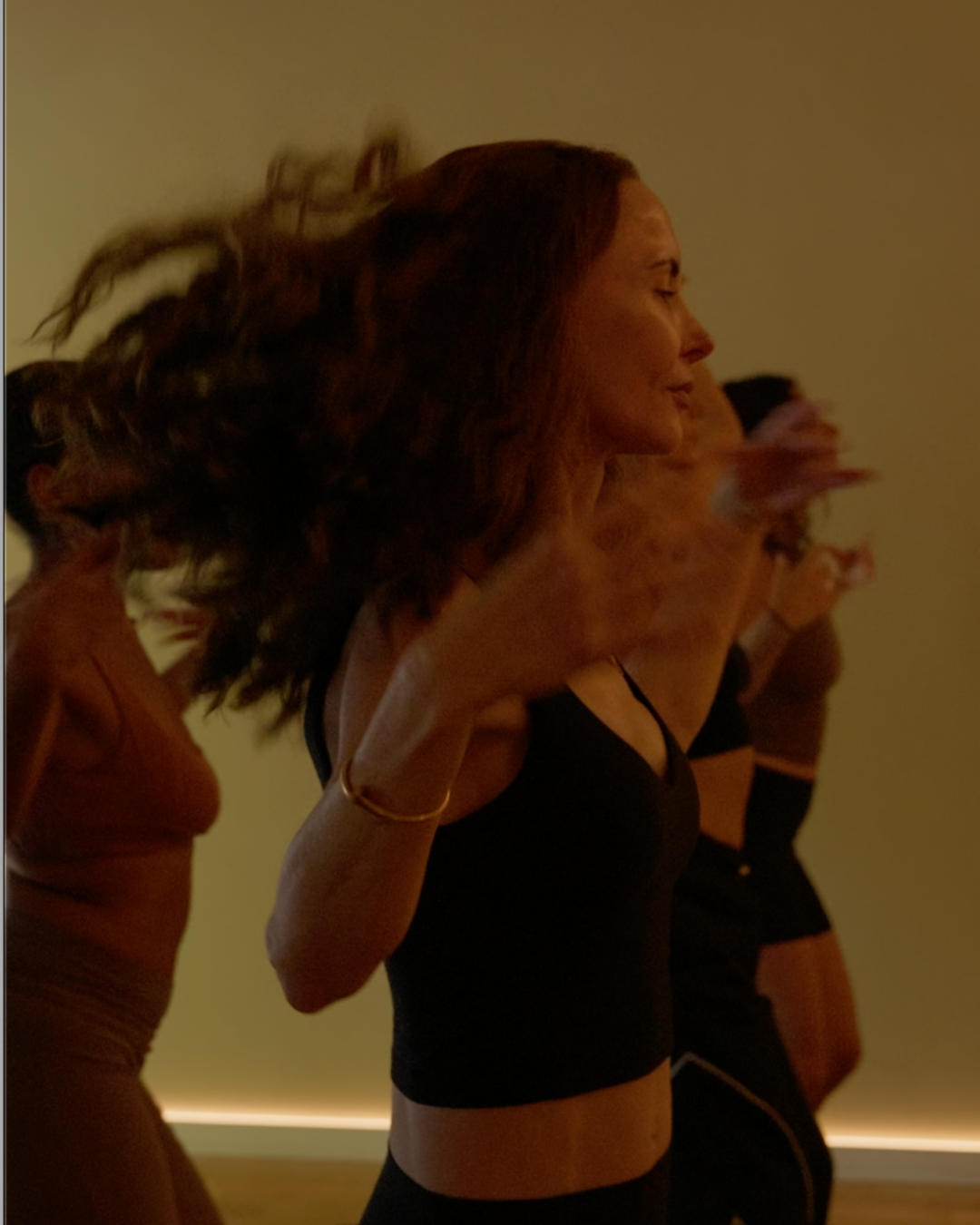
Give your body permission to express.
Intuitive movement without choreography, performance or getting it right.
Not everything you feel can be understood, solved or expressed through words. Somatic Expression invites you out of your head and into rhythm, movement, sound, play and freedom. There are no steps to learn, nothing to copy and nothing to perform.
What to expect
A breath-led intuitive movement practice supported by music, rhythm and guided invitations to explore sensation, emotion, pleasure and play. The lighting is low, everyone moves in their own way and you choose how much or how little to explore.
Pace
Varied and intuitive
Intensity
Self-directed
Builds
Agency and expression
Best for
Freedom and aliveness
Includes
Breath, music, rhythm, intuitive movement, expression, stillness and rest
You are not meant to need the same thing every day.
Your nervous system changes with stress, sleep, work, relationships, health and everything else happening in your life. One day you may need strength. Another day you may need stillness. You may need to breathe, release, reset, rest, move or express.
Not one “regulated” state. A wider range of ways to meet yourself.You practice it here so it becomes available out there.
“Most of the work I’ve done lives in the head and I always felt stuck, but Sol Method is in the body and it’s such a different experience. I loved the awareness, the tools and the practices so much and continue to use them daily.”— Allie Annand
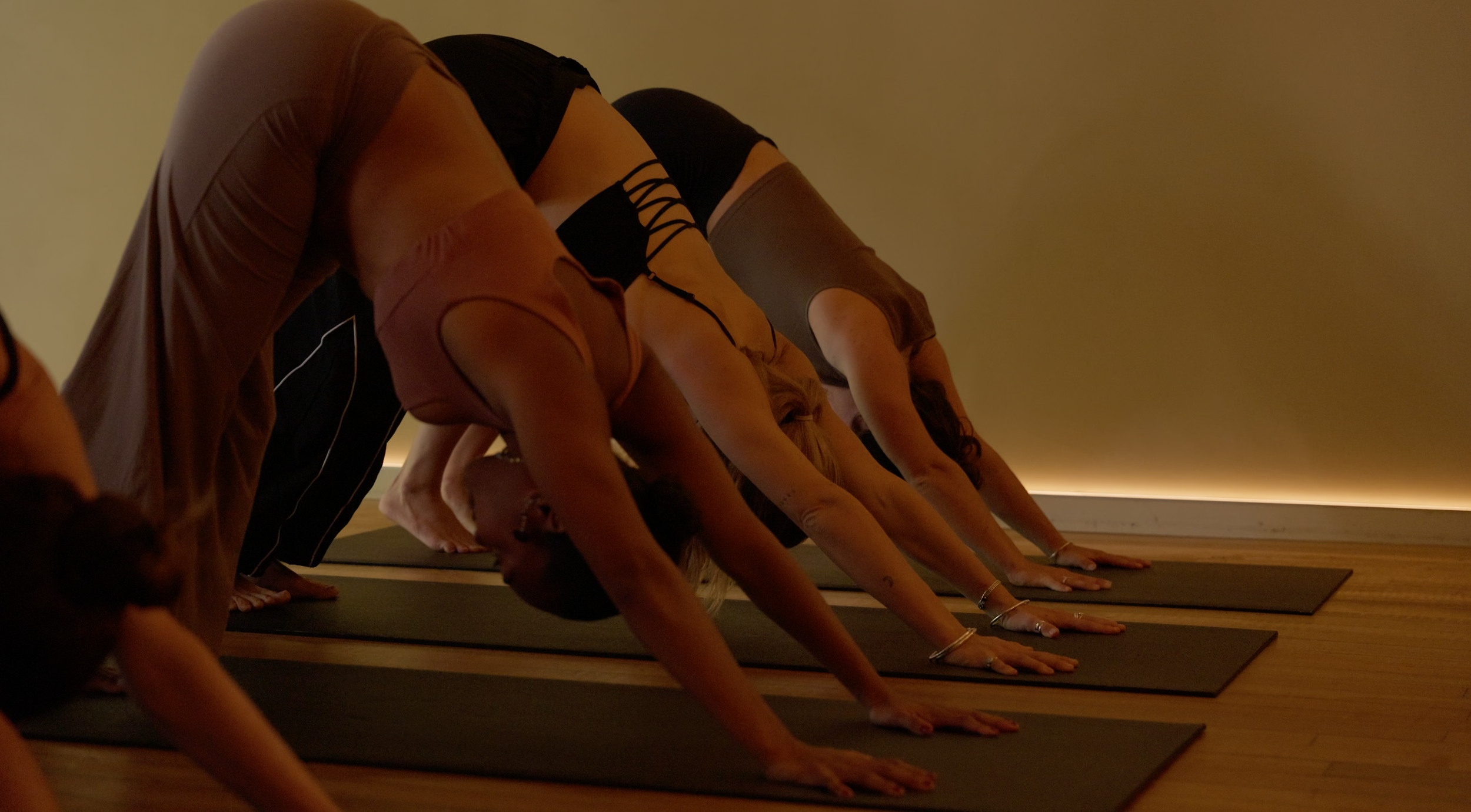
You don’t have to know exactly what you need before you begin.
Choose the practice that speaks to how you feel today.
Try something familiar—or experience something completely different.
Your body won’t need the same thing every day. That’s why there are seven ways in.